

Tea is one of the most popular beverages in the world, enjoyed by millions of people every day. But have you ever wondered where tea comes from? The origins of tea can be traced back thousands of years to ancient China, where it was first used for medicinal purposes before becoming a popular drink. Today, tea is grown and consumed in many countries around the world, each with their own unique varieties and traditions.
Tea is made from the leaves of the Camellia sinensis plant, which is native to China and parts of Asia. There are two main varieties of the plant: Camellia sinensis var. sinensis and Camellia sinensis var. assamica. The former is primarily grown in China and produces smaller leaves, while the latter is grown in India and produces larger leaves. Both varieties of the plant are used to produce different types of tea, which vary in flavor, aroma, and appearance.
Quick Navigation
Key Takeaways
- Tea originated in ancient China and was first used for medicinal purposes before becoming a popular drink.
- Tea is made from the leaves of the Camellia sinensis plant, which is native to China and parts of Asia.
- There are many different varieties of tea, each with their own unique flavor, aroma, and appearance.
Origins of Tea
Tea, also known as cha, has been enjoyed for thousands of years and has a rich history that spans across multiple cultures. The origins of tea can be traced back to China, where it was first discovered and cultivated.
China and Its Influence
According to legend, tea was discovered in 2737 BCE by Emperor Shen Nong. The story goes that while he was boiling water, a tea leaf fell into his pot and he decided to taste it. He enjoyed the flavor and soon tea became a popular drink in China.
Tea was initially used for medicinal purposes and was believed to have healing properties. It wasn’t until the Tang Dynasty (618-907 CE) that tea became a popular drink for pleasure. During this time, tea was prepared in a powdered form and whipped with hot water.
Tea became an important part of Chinese culture and was used in many ceremonies. The Chinese also developed a variety of different tea types, including green, black, and oolong tea.
Spread to India and Beyond
Tea eventually spread beyond China and made its way to India. The British East India Company began importing tea from China in the early 17th century. In the 1820s, the British began cultivating tea in India, specifically in the region of Assam.
The Portuguese were also influential in the spread of tea. They were the first to bring tea to Europe in the 16th century. Tea quickly became popular in Europe and eventually made its way to the Americas.
Today, tea is grown in many countries around the world, including China, India, Sri Lanka, and Kenya. Yunnan, a province in China, is known for producing some of the world’s finest tea.
In conclusion, the origins of tea can be traced back to China where it was first discovered and cultivated. Tea eventually spread to India and beyond, becoming a popular drink around the world.
Types of Tea
When it comes to tea, there are many different types to choose from. Here are some of the most common types of tea:
Green Tea
Green tea is a popular type of tea that is made from unfermented leaves. It has a light, delicate flavor and is often enjoyed with meals. Green tea contains polyphenols, which are antioxidants that can help to protect your body from damage caused by free radicals.
Black Tea
Black tea is a type of tea that is made from fermented leaves. It has a stronger flavor than green tea and is often enjoyed with milk and sugar. Black tea contains tannins, which can help to improve digestion.
Oolong Tea
Oolong tea is a type of tea that is partially fermented. It has a unique flavor that is somewhere between green tea and black tea. Oolong tea is often enjoyed with meals and is believed to have many health benefits.
White Tea
White tea is a type of tea that is made from unfermented leaves. It has a delicate flavor and is often enjoyed on its own. White tea is rich in amino acids, which can help to improve your mood and reduce stress.
Herbal Teas
Herbal teas are not actually teas at all, but rather infusions made from herbs, fruits, and spices. There are many different types of herbal teas, including mint, chamomile, fruit, and chai. Herbal teas are often enjoyed for their health benefits and can be a great way to relax and unwind.
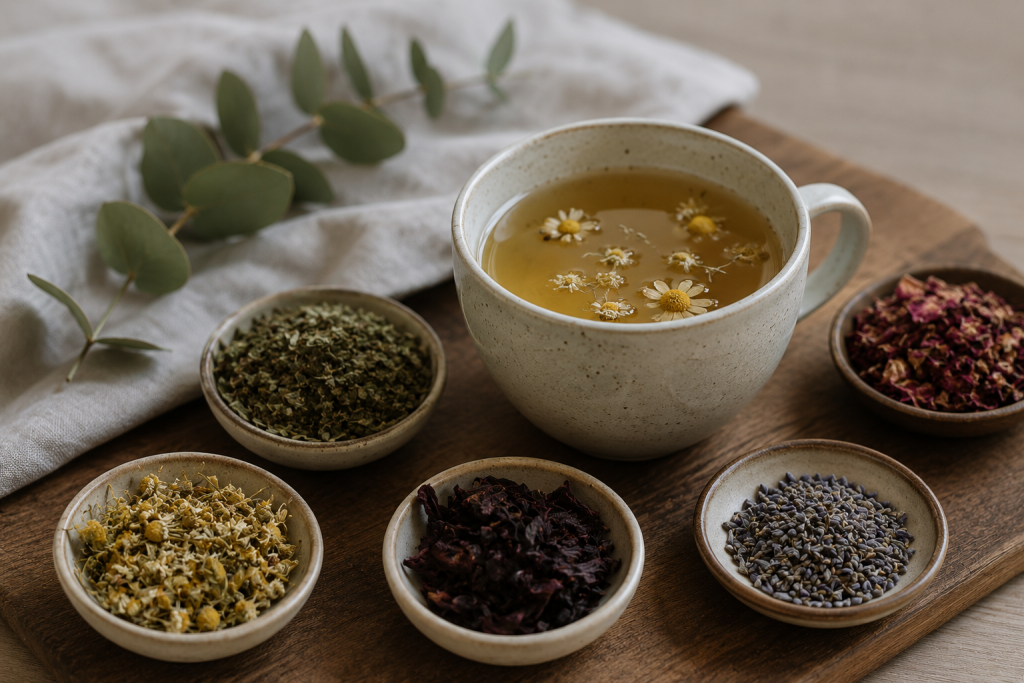
Overall, there are many different types of tea to choose from, each with its own unique flavor and health benefits. Whether you prefer loose leaf tea or tea bags, hot tea or iced tea, there is a type of tea out there that is perfect for you.
Tea Production and Processing
When it comes to tea production, the leaves of the tea plant are the most important part. The tea plant is native to China, but is now grown in many other countries as well, including India, Sri Lanka (Ceylon), Uganda, Kenya, Tanzania, Argentina, Formosa, Java, and Burma.
Fermentation Process
The process of making tea involves several steps. First, the leaves are picked and then withered, which means they are left to dry in the sun for a few hours. This helps to reduce the moisture content of the leaves and make them more pliable for rolling.
After the leaves are withered, they are rolled to break up the cell walls and release the natural oils and flavors. This is where the fermentation process begins. The amount of fermentation that the leaves undergo will determine the type of tea that is produced. For example, black tea is fully fermented, while green tea is not fermented at all.
During the fermentation process, the natural sugars in the leaves are converted into theaflavins, which give black tea its characteristic color and flavor. The fermentation process can take anywhere from a few hours to several days, depending on the type of tea being produced.
Drying and Packaging
Once the fermentation process is complete, the tea leaves are dried to stop the fermentation process and remove any remaining moisture. The dried leaves are then sorted and graded according to size and quality.
Finally, the tea is packaged for distribution. Tea can be sold loose or in tea bags. Tea bags are convenient for consumers because they are pre-measured and easy to use. However, some tea connoisseurs prefer loose tea because it allows them to control the strength and flavor of the tea.
Overall, tea production and processing is a complex and fascinating process that requires knowledge and skill. Whether you prefer black tea, green tea, or some other type of tea, you can be sure that it has been carefully crafted to bring out the best possible flavor and aroma.
Tea Consumption and Culture
Tea is not only a popular beverage, but it is also an integral part of various cultures around the world. Different cultures have their unique way of preparing and consuming tea. In this section, we will explore some of the most popular tea cultures and drinking habits around the world.
Europe and Afternoon Tea
Tea drinking has been a part of European culture since the 17th century. In the UK, tea is an essential part of their daily lives, and they have a tradition of serving afternoon tea. Afternoon tea is a light meal that usually includes tea, sandwiches, and pastries. It is served between 3 pm to 5 pm as a way to take a break from work and socialize with friends.
Japanese Tea Ceremony
The Japanese tea ceremony is a cultural activity that involves the ceremonial preparation and presentation of matcha, a powdered green tea. The ceremony is a symbol of Japanese hospitality and is an essential part of their culture. The ceremony involves a series of precise movements and rituals, and it can take up to four hours to complete.
Global Tea Drinking Habits
Tea drinking is not limited to specific countries or cultures. People all over the world enjoy drinking tea, and it is the second most popular beverage after water. In Iran, tea is a staple beverage, and it is served with sugar cubes. In Texas, iced tea is a popular drink, especially during hot summers. In London, tea is often served with milk, and it is a part of their daily routine.
Here are some interesting tea drinking habits around the world:
- In Georgia, tea is served in small glasses, and it is often accompanied by sweets.
- Malawi is one of the largest tea producers in the world, and they consume most of their tea in the form of chai.
- In Brazil, mate tea is a popular drink, and it is often consumed in a group setting.
- In China, tea has been a part of their culture since the Tang dynasty, and it is often served during formal occasions.
In conclusion, tea is not just a beverage; it is an essential part of various cultures around the world. Whether you prefer hot or iced tea, with milk or sugar, there is a tea culture out there that suits your taste.
Health Benefits and Nutritional Value of Tea
Tea is known for its health-promoting properties and is a popular beverage worldwide. It contains several nutrients, including polyphenols, flavonoids, and catechins, which are responsible for its numerous health benefits.
One of the most well-known benefits of tea is its caffeine content, which can help improve focus and alertness. However, tea also contains other compounds that can help reduce the risk of several diseases.

Polyphenols, for example, are powerful antioxidants that can protect your body from free radicals and reduce the risk of cancer and heart disease. Flavonoids and catechins, on the other hand, can help lower LDL cholesterol levels and improve blood pressure, reducing the risk of stroke and heart disease.
Tea also contains EGCG, a compound that has been shown to have anti-cancer properties. It can help prevent the growth of cancer cells and may reduce the risk of esophageal cancer.
In addition to these health benefits, tea can also help regulate blood sugar levels and reduce the risk of diabetes. It can also improve brain function and help reduce stress levels.
Overall, tea is a healthy and nutritious beverage that can provide numerous health benefits. Whether you prefer black, green, or herbal tea, incorporating it into your diet can help improve your overall health and well-being.
Frequently Asked Questions
What are the different types of tea?
There are many different types of tea, including black, green, white, oolong, and herbal teas. Each type of tea has a unique flavor and aroma, and may offer different health benefits.
Where is tea primarily grown?
Tea is primarily grown in Asia, with China, India, and Sri Lanka being some of the largest tea-producing countries in the world. However, tea is also grown in other parts of the world, including Africa and South America.
What is the history of tea in India?
Tea has a long history in India, dating back to the British colonial era. Today, India is one of the largest tea-producing countries in the world, with Assam and Darjeeling being two of the most famous tea-growing regions.
When did tea come to Europe?
Tea was introduced to Europe in the 16th century by Portuguese traders. It quickly became popular among the wealthy, and by the 18th century, tea had become a staple of British culture.
Where is tea originally from?
Tea is believed to have originated in China, where it has been consumed for thousands of years. Legend has it that tea was first discovered by the Chinese emperor Shennong in 2737 BC.
Where is tea found in the world?
Tea is found in many parts of the world, including Asia, Africa, South America, and even Europe. However, some of the largest tea-producing countries include China, India, Sri Lanka, Kenya, and Turkey.

Scott is the founder of TeaMinded. He enjoys tasting and discovering teas from across the globe, with green teas and ceremonial matcha from Japan being among his favorites. He’s grateful to be immersed in the tea community, always learning and sharing along the journey.