
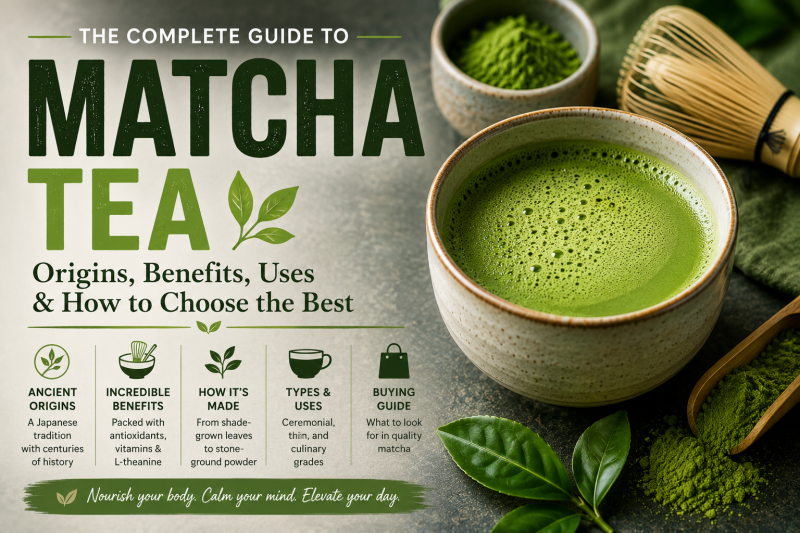
Matcha tea is one of the most nutrient-dense beverages in the world — and it’s far more than a trendy café drink. This complete guide covers everything you need to know: its origins, how it’s made, the different grades, its remarkable health benefits, and exactly what to look for when buying it.
Quick Navigation
What Is Matcha Tea?
Originating in Japan, matcha is a finely ground powder made from specially grown and processed green tea leaves. Unlike ordinary green tea — where leaves are steeped and then discarded — matcha involves consuming the entire leaf in powdered form, whisked directly into hot water.
This distinction is everything. When you drink matcha, you’re getting 100% of the leaf’s nutrients: its antioxidants, amino acids, vitamins, and chlorophyll. Nothing is thrown away.
Matcha plants are grown predominantly in the shade, which dramatically increases their chlorophyll content and gives the tea its signature vibrant jade-green color. That shading process is also responsible for matcha’s elevated levels of L-Theanine, an amino acid linked to calm focus and mental clarity.
If you’re exploring the world of green tea more broadly, our Green Tea Buyer’s Guide at TeaMinded is a great companion resource to this article.
The Origins and History of Matcha Tea
Green tea was first cultivated in China, but it was Japan that transformed it into a cultural institution. Matcha arrived in Japan in 1191, carried by a Buddhist monk named Eisai, who introduced powdered green tea as an essential component of Zen Buddhist practice.
For centuries, matcha was available only to monks, nobility, and the samurai class. It was prized as much for its medicinal properties as its taste, and it was used to treat a wide range of ailments long before modern science confirmed its health benefits.
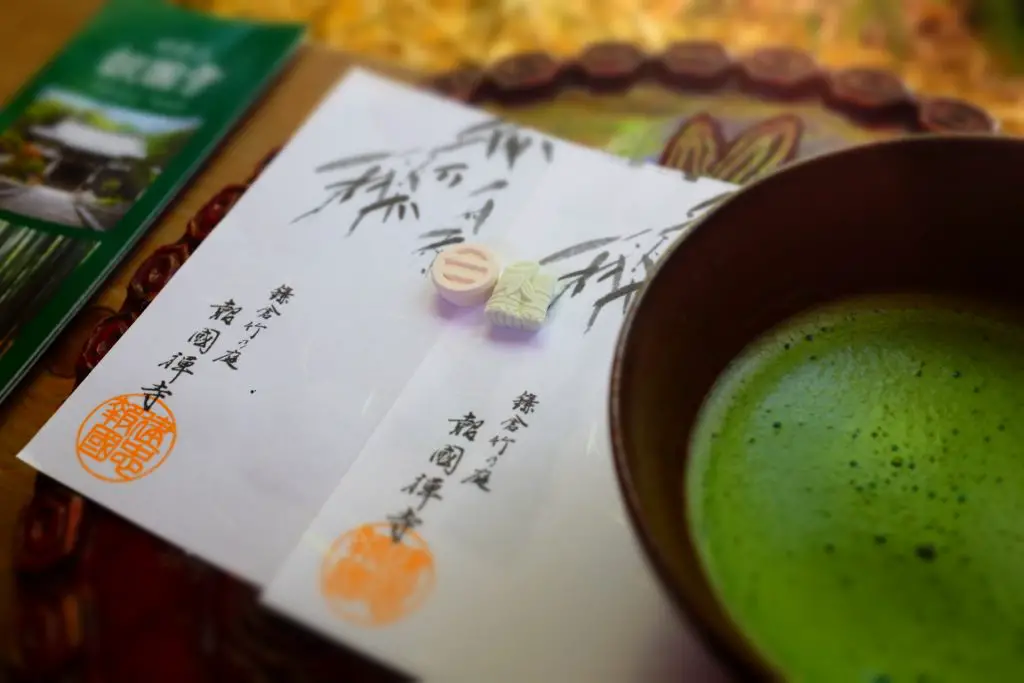
By the 14th century, matcha had begun spreading beyond the monastery walls and into wider Japanese society. Eventually, it became the centerpiece of the now-famous Japanese tea ceremony (chanoyu) — a ritual gathering centered on the mindful preparation and sharing of matcha. The ceremony remains a living tradition today, practiced worldwide.
How Matcha Is Made: Processing and Preparation
Shade Growing
Weeks before harvest (typically in May), matcha tea plants are shielded from direct sunlight for approximately three weeks. This intentional shading slows growth, deepens the green color, boosts chlorophyll, and elevates amino acid content — resulting in matcha’s naturally sweet, complex flavor.
Harvesting
Only the youngest, most tender leaves are hand-picked. These top leaves carry the finest texture and highest nutrient concentration.
Steaming and Drying
Immediately after picking, the leaves are steamed to halt fermentation and lock in their vivid green color and active compounds. Allowing the leaves to ferment would degrade both color and nutrient profile. The leaves are then dried indoors — outdoor drying risks rain damage.
Deveining and Destemming
Once dried, the leaves (now called tencha) have their stems and veins removed. This step is critical for premium grades of matcha; lower-grade culinary matcha may skip it.
Stone Grinding
The tencha leaves are slowly ground using granite stone mills. The pace matters: grinding too fast generates heat from friction, which can degrade the powder’s color and flavor. This is why authentic stone-ground matcha takes so long — and why it commands a higher price.
Packing
Immediately after grinding, the matcha powder is packed in airtight containers and shipped. Minimizing oxygen exposure is essential to preserving freshness and potency.
Matcha vs. Regular Green Tea: What’s the Difference?
The difference comes down to processing and consumption method:
- Regular green tea leaves are fired, roasted, or sun-dried after picking. The leaves are rolled, packaged, then steeped in hot water — and then discarded. You only drink the water.
- Matcha leaves are shade-grown, steamed, stone-ground, and whisked directly into water. You consume the entire leaf.
This has a profound impact on nutritional content. Studies suggest that one cup of matcha is roughly equivalent to ten cups of regular green tea in terms of antioxidants and health benefits.
A key compound here is EGCG (epigallocatechin gallate) — a potent antioxidant catechin found in high concentrations in matcha. The matcha production process preserves far more EGCG than the rolling and drying methods used for standard green tea, and the grinding process actually supercharges its concentration. Some manufacturers also ferment green tea leaves, further degrading their antioxidant value — something that never happens with properly made matcha.
A simple freshness check: quality matcha powder should be a bright, vivid green — not dull, yellowed, or brownish. If it looks muted, the EGCG and chlorophyll have degraded.
Types and Grades of Matcha
Matcha is generally categorized into three grades, each suited to different uses:
1. Ceremonial Grade (Koicha / Thick)
The highest quality matcha, made exclusively from the youngest, most tender leaves. Koicha uses more matcha powder and less water, producing a thick, intensely flavored tea. It carries a natural sweetness, a smooth finish, and almost no bitterness. This is the grade used in traditional Japanese tea ceremonies. It should always be enjoyed on its own with just hot water — never used for cooking.
2. Thin Grade (Usucha)
Also a premium product, usucha is prepared with more water and less tea powder. It has the highest percentage of amino acids of any grade, which contributes to its aromatic complexity and nuanced flavor. This is the most commonly consumed style of matcha for everyday drinking.
3. Culinary Grade (Ingredient Grade)
Made from leaves lower on the plant — slightly older and more exposed to sunlight. The stems are not removed before grinding. The result is a bolder, less delicate flavor that holds up beautifully in recipes. Culinary grade matcha is ideal for:
- Matcha lattes
- Smoothies and energy drinks
- Ice cream and frozen yogurt
- Baked goods and savory dishes
All three grades, when produced properly, are considered premium matcha.
How to Identify High-Quality Matcha
Not all matcha is created equal. Here’s how to evaluate quality before you buy:
| Quality Indicator | High Quality | Low Quality |
|---|---|---|
| Color | Vibrant jade green | Dull, yellow, or brownish |
| Smell | Sweet, vegetal, grassy | Flat, stale, or hay-like |
| Taste | Naturally sweet, smooth finish | Bitter, astringent |
| Texture | Silky, fine (like baby powder) | Coarse or gritty |
| Foam | Fine, creamy froth when whisked | Large air bubbles, little froth |
The sweet taste and sweet aroma both come from high L-Theanine content — only possible when tea plants are grown in the shade. The fine texture comes from proper stone grinding at a slow, cool pace. High-quality matcha retains more than 90% of its antioxidants intact.
The Health Benefits of Matcha Tea
Matcha’s health reputation is well-earned and well-researched. Because you consume the whole leaf — not just brewed water — the nutritional payoff is significantly greater than any other tea.
Key Health Benefits
- Exceptionally high in antioxidants — matcha contains at least three times more antioxidants than blueberries, pomegranates, and most other teas
- Rich in EGCG — one of the most studied and potent antioxidants known
- Promotes calm focus — L-Theanine and caffeine work together to produce alert, relaxed concentration without the jitteriness of coffee
- Boosts memory and concentration
- Increases energy and endurance with sustained, clean energy
- Supports detoxification — high chlorophyll levels help the body eliminate heavy metals and toxins
- Burns calories and supports metabolism
- Strengthens the immune system
- Lowers LDL (bad) cholesterol and raises HDL (good) cholesterol
- Associated with reduced cancer risk — due to EGCG’s role in fighting free radicals
- Supports cardiovascular health and longevity
Matcha is widely credited as one of the dietary factors contributing to the extraordinary longevity seen in Okinawa, Japan — consistently one of the world’s longest-lived populations.
Want to learn more about which teas offer the most health benefits? Check out our guide to the healthiest teas on TeaMinded for a broader look at the wellness landscape.
What to Look for When Buying Matcha
Buying matcha can feel overwhelming, especially with so many options on the market. Here’s what actually matters:
1. Origin
The finest matcha comes from Japan — specifically from regions like Uji (Kyoto), Nishio (Aichi), and Yame (Fukuoka). Japanese matcha from these areas follows strict cultivation and grinding protocols.
2. Shade Growing Verification
Premium matcha should always be shade-grown. If a product doesn’t mention shade growing on its packaging, that’s a red flag.
3. Pre-Grinding and Grinding Method
Look for stone-ground matcha. Mechanically ground matcha lacks the fine texture and flavor nuance of stone-ground. Proper grinding also prevents the heat damage that degrades antioxidants.
4. Packaging and Oxygen Exposure
Buy matcha in airtight, opaque containers. Oxygen and light degrade matcha quickly. Avoid any matcha sold in open bins or clear packaging.
5. Color and Certified Organic
Always opt for certified organic matcha when possible. Organic certification reduces the risk of pesticide contamination. The powder should be vibrant green — this is your most reliable at-a-glance quality check.
6. Price as a Quality Signal
Ceremonial-grade matcha is expensive — and for good reason. It requires intensive labor, specific conditions, and careful processing over many months. Extremely cheap matcha is almost always culinary-grade at best, or poorly produced.
For a deeper look at sourcing and certification standards, the Japanese Tea Exporters’ Association provides useful guidance on what authentic Japanese matcha production involves.
Traditional Matcha Accessories
The Japanese tea ceremony has refined matcha preparation over nearly a thousand years, and the traditional tools remain central to authentic preparation today.
- Bamboo Scoop (Chashaku) — measures and transfers matcha powder from its container to the bowl; in formal ceremonies, two scoops are used
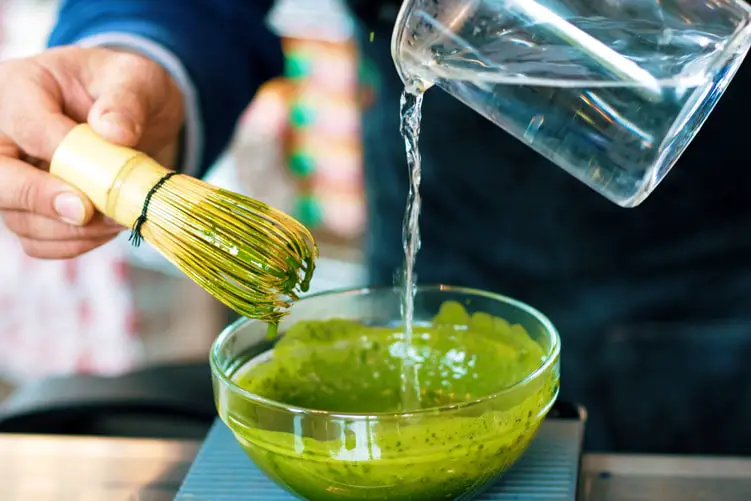
- Bamboo Whisk (Chasen) — the signature tool for whisking matcha into hot water; creates the characteristic frothy layer
- Whisk Holder (Chasen Kusenaoshi) — maintains the whisk’s shape and allows even drying between uses
- Hand Strainer — sifts matcha powder before whisking to prevent clumping and ensure a smooth, lump-free bowl
- Natsume — a lacquered tea caddy used to hold sifted matcha powder during the tea ceremony
- Matcha Strainer Can — stores a week’s worth of pre-sifted matcha (kept refrigerated); the rest is stored in the freezer
- Matcha Bowl (Chawan) — traditional bowls come in three shapes: shallow (for summer, wide mouth to cool the tea), deep narrow-mouthed (for winter, retains heat), and general-purpose (for spring and autumn)
Frequently Asked Questions About Matcha
Is matcha better than coffee? Matcha offers a unique combination of caffeine and L-Theanine that produces calm, sustained energy — without the cortisol spike and crash associated with coffee. Many people find it a superior option for focus-intensive work.
How much matcha should I drink per day? Most health practitioners suggest 1–2 cups per day as a healthy range. Matcha does contain caffeine, so those sensitive to caffeine should start with half a teaspoon per serving.
Does matcha expire? Yes. Opened matcha should be used within 4–8 weeks for peak quality. Unopened matcha stored in a sealed, airtight container in a cool, dark place can last up to a year. Storing excess matcha in the freezer significantly extends its shelf life.
Can I use ceremonial matcha for cooking? Technically yes, but it’s wasteful and unnecessary. Culinary-grade matcha is specifically designed for recipes and performs better in high-heat applications.
Conclusion
Matcha is far more than a wellness trend. It’s a beverage with nearly a thousand years of cultural significance, a uniquely rigorous production process, and a nutritional profile that genuinely sets it apart from any other tea — or arguably any other drink.
Whether you’re drawn to it for its health benefits, its role in Japanese tradition, its distinctive taste, or simply its gorgeous color, understanding what makes great matcha helps you get the most out of every cup.
Start with a high-quality ceremonial or thin-grade matcha, invest in a good bamboo whisk, use water around 175°F (80°C) — and enjoy one of the most extraordinary beverages the natural world has to offer.

Scott is the founder of TeaMinded. He enjoys tasting and discovering teas from across the globe, with green teas and ceremonial matcha from Japan being among his favorites. He’s grateful to be immersed in the tea community, always learning and sharing along the journey.