
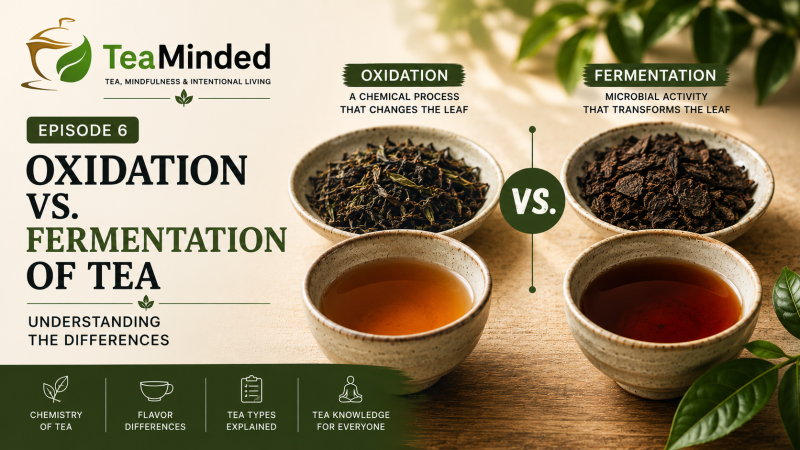
If you are a tea lover, you might have heard the terms “oxidation” and “fermentation” thrown around when describing different types of tea. But what do these terms actually mean, and how do they affect the taste and quality of your tea?
In simple terms, oxidation is the process of exposing tea leaves to air, causing them to darken and change flavor. Fermentation, on the other hand, involves the use of microbes to break down the tea leaves and create new flavors and aromas. While both processes are used in tea production, they are distinct and can result in very different end products.
Understanding the difference between oxidation and fermentation is important for tea lovers who want to explore the wide variety of teas available. By knowing how these processes work and how they affect flavor and aroma, you can choose teas that are perfect for your taste preferences and brewing style. So, let’s dive into the fascinating world of oxidation and fermentation in tea!
Quick Navigation
Understanding Tea: Basic Concepts
Tea is a popular beverage that has been enjoyed for centuries. It is made from the leaves of the Camellia Sinensis plant and is available in many different types, including green, black, white, oolong, and pu-erh tea.
The art and science of making tea is a complex process that requires skill and knowledge. Tea masters and experts spend years learning the intricacies of tea production, including the differences between oxidation and fermentation.
Oxidation and fermentation are two important concepts in tea production. Oxidation is the process of exposing tea leaves to air, causing them to darken and develop a different flavor and aroma. Fermentation, on the other hand, is a unique method of microbial metabolism that involves the breakdown of organic compounds.
Different types of tea require different levels of oxidation and fermentation. For example, green tea is not oxidized or fermented, while black tea is fully oxidized. Oolong tea is partially oxidized, and pu-erh tea undergoes both oxidation and fermentation.
Tea production is both an art and a science. The best tea masters understand the science behind tea production and use their knowledge to create unique and flavorful teas. They also use their artistic skills to create beautiful and visually appealing tea leaves.
In conclusion, understanding the basic concepts of tea production is essential for anyone who wants to appreciate and enjoy this popular beverage.
Whether you are a tea master or just a casual tea drinker, knowing the differences between oxidation and fermentation can help you choose the right type of tea for your tastes and preferences.
Tea Processing: An Overview
Tea processing involves a series of steps that are required to convert freshly picked tea leaves into the final product that we consume. The process can vary depending on the type of tea being produced, but all teas go through a similar basic processing method. Here is a brief overview of the tea processing steps:
Picking
The first step in tea processing is picking. Tea leaves are hand-picked or machine-harvested from the tea plant, also known as Camellia sinensis. The quality of the tea depends on the quality of the leaves, which is why hand-picked leaves are considered to be of higher quality.
Wilt and Wither
After picking, the leaves are spread out to wilt and wither. This step is critical as it reduces the moisture content of the leaves and makes them more pliable, which helps in the rolling process. The leaves are left to wilt for a few hours, and then they are moved to a withering trough where they are left to wither for up to 24 hours.
Rolling
The next step is rolling, which helps to break down the cell walls of the leaves and release the flavors and aromas. The leaves are rolled by hand or machine, depending on the type of tea being produced. Rolling can be done in different ways, such as crushing, twisting, or rubbing, depending on the desired shape and texture of the tea.
Oxidation or Fermentation
The next step is either oxidation or fermentation, depending on the type of tea being produced. Oxidation is the process of exposing tea to air for it to darken. As the tea darkens, the flavor and aroma can change. Fermentation is a unique method of microbial metabolism that produces lactic acid and ethanol. During fermentation, the end products are consistent.
De-enzyming
Once the desired level of oxidation or fermentation is achieved, the leaves are heated to stop the process. This step is called de-enzyming, and it is critical as it prevents further oxidation or fermentation. The leaves are heated to a specific temperature for a specific amount of time, depending on the type of tea being produced.
Drying
The final step in tea processing is drying. The leaves are dried to remove any remaining moisture, which helps to preserve the tea and prevent spoilage. The leaves are dried using heat, either by passing them through heat vents or by using hot air. The temperature and duration of the drying process depend on the type of tea being produced.
Climate
Climate plays a significant role in tea processing, as it affects the quality and flavor of the tea. The ideal climate for tea cultivation is a warm, humid environment with well-drained soil. Tea plants grow best in areas with an annual rainfall of 50-100 inches and a temperature range of 65-85°F.

Overall, tea processing is a complex and intricate process that requires careful attention to detail. The quality of the final product depends on the quality of the leaves, the processing method, and the climate in which the tea is grown.
Oxidation in Tea
When it comes to tea production, oxidation is a critical process that affects the flavor, aroma, and color of the final product. Oxidation is the process of exposing tea leaves to oxygen, which causes them to darken and change in flavor. This process is also known as enzymatic browning, where enzymes such as polyphenol oxidase (PPO) react with oxygen to create a chemical reaction.
The level of oxidation in tea can vary depending on the type of tea being produced. For example, black tea is fully oxidized, while green tea is not oxidized at all. Oolong tea falls somewhere in between, with a partial oxidation process. During oxidation, the tea leaves undergo a series of chemical reactions that convert polyphenols into theaflavins and thearubigins, which are responsible for the color and flavor of black tea.
The level of oxidation in tea can be controlled by various factors, including the amount of oxygen exposure, temperature, and humidity.
Positive oxidation can enhance the flavor and aroma of tea, while negative oxidation can lead to a bitter taste. As a result, tea producers must carefully monitor the oxidation process to ensure that the tea has the desired flavor and aroma.
Polyphenols and tannins are two important compounds found in tea leaves that are affected by oxidation. Polyphenols are antioxidants that are responsible for the health benefits of tea, while tannins give tea its astringency. During oxidation, polyphenols break down into smaller molecules, which can affect the taste and health benefits of the tea. Similarly, tannins can become more concentrated during oxidation, leading to a more astringent taste.
In conclusion, oxidation is a critical process in tea production that affects the flavor, aroma, and color of the final product. By controlling the level of oxidation, tea producers can create a wide range of tea varieties with different flavors and aromas.
Fermentation in Tea
Fermentation is a process that involves the breakdown of organic compounds by microorganisms such as bacteria, yeast, or mold. In tea, fermentation is a critical step that affects the flavor, aroma, and color of the final product.
There are two main types of fermented tea: shou and sheng. Shou tea, also known as ripe tea, undergoes an accelerated fermentation process that lasts for several months. During this process, the tea leaves are piled up and kept in a warm and humid environment. The moisture and heat promote microbial activity, which causes the tea leaves to darken and develop a rich, earthy flavor.
Sheng tea, on the other hand, is a type of raw tea that undergoes a slower fermentation process. The tea leaves are left to dry naturally in the sun or in a cool, dry place. Over time, the tea leaves undergo a natural fermentation process that is influenced by the surrounding environment. The resulting tea has a lighter color and a fresh, floral taste.
Fermentation in tea is also used to produce kombucha, a popular fermented drink made from sweetened tea and a symbiotic culture of bacteria and yeast. The microorganisms in the culture feed on the sugar in the tea and produce a variety of organic acids, vitamins, and enzymes. The resulting drink has a tangy, slightly sweet taste and is believed to have a range of health benefits.
In summary, fermentation is a crucial step in the production of tea, affecting the flavor, aroma, and color of the final product. Whether it’s shou or sheng tea, or kombucha, the fermentation process is influenced by microbial metabolism and activity, resulting in a unique and distinctive taste.
Impacts on Tea Flavor and Quality
The oxidation and fermentation processes have a significant impact on the flavor, aroma, and quality of tea. The duration of these processes, as well as the type of tea, can have a significant impact on the final product.
During oxidation, tea leaves undergo a chemical reaction that results in the breakdown of polyphenols and the formation of new compounds. This process can result in the development of deeper flavors and aromas, as well as a change in color.
For example, black tea is fully oxidized, resulting in a darker color, while green tea is minimally oxidized, resulting in a lighter color and more delicate flavor.
Fermentation, on the other hand, is a process that involves the activity of microorganisms. This process can result in the development of new flavors and aromas, as well as changes in color. For example, Pu-erh tea undergoes a fermentation process that results in a unique earthy flavor and aroma.
The impact of oxidation and fermentation on tea flavor and quality can also vary depending on the season in which the tea is harvested. For example, tea harvested in the spring may have a more delicate flavor than tea harvested in the fall, which may have a stronger and more robust flavor.
In addition to flavor and aroma, oxidation and fermentation can also impact the quality of the tea. Over-oxidized or over-fermented tea can result in a bitter or unpleasant taste, while under-oxidized or under-fermented tea may lack depth and complexity.
In summary, the oxidation and fermentation processes have a significant impact on the flavor, aroma, and quality of tea. The duration of these processes, the type of tea, and the season of harvest can all affect the final product. It is important to carefully control these processes to ensure that the tea has the desired flavor, aroma, and quality when brewed into a delicious cup of tea.
Oxidation vs Fermentation: Differences and Similarities
When it comes to tea, the terms “oxidation” and “fermentation” are often used interchangeably, but they are not the same thing. In fact, oxidation and fermentation are two distinct processes that can produce different end products. Here are some differences and similarities between oxidation and fermentation:
Oxidation
Oxidation is a process that occurs when tea leaves are exposed to air. During oxidation, enzymes in the tea leaves interact with oxygen, causing the tea leaves to darken and change flavor. Oxidation can be controlled by adjusting temperature and humidity levels, and it is a crucial step in the production of black tea.
Fermentation
Fermentation is a process that occurs when microorganisms such as yeast or bacteria interact with tea leaves. During fermentation, microorganisms break down the sugars in tea leaves, producing alcohol, carbon dioxide, acids, and other compounds. Fermentation can be controlled by adjusting temperature, humidity, and other environmental factors, and it is a crucial step in the production of oolong and pu-erh teas.
Differences
One of the main differences between oxidation and fermentation is the end products they produce. Oxidation produces tea leaves that are dark and rich in flavor, while fermentation produces tea leaves that are lighter and more complex in flavor. Oxidation also tends to produce tea leaves that are higher in caffeine, while fermentation tends to produce tea leaves that are lower in caffeine.
Another difference between oxidation and fermentation is the level of control that can be exerted over the process. Oxidation is a relatively simple process that can be controlled by adjusting temperature and humidity levels, while fermentation is a more complex process that requires careful monitoring of environmental factors such as temperature, humidity, and microbial activity.
Similarities
Despite their differences, oxidation and fermentation share some similarities. Both processes involve the breakdown of organic compounds, and both can produce compounds such as acids and sugars that contribute to the flavor of tea. Both processes also require careful monitoring and control to ensure that the end product is of high quality.
In addition, some teas are produced using a combination of oxidation and fermentation. For example, semi-fermented or semi-oxidized teas such as oolong tea are partially oxidized and partially fermented, resulting in a unique flavor profile.
In conclusion, while oxidation and fermentation are often used interchangeably in the context of tea, they are two distinct processes that can produce different end products. Understanding the differences and similarities between oxidation and fermentation can help you appreciate the unique flavors and characteristics of different types of tea.
Special Case Studies: White, Green, and Oolong Teas
When it comes to tea, the oxidation process is what differentiates the various types. White, green, and oolong teas are all made from the same plant, Camellia sinensis, but each type undergoes a different level of oxidation.
White Tea
White tea is the least processed of the three types, with minimal oxidation occurring during the manufacturing process. The leaves are simply withered and dried, which preserves the natural flavor and aroma of the tea. Due to the minimal processing, white tea retains a high concentration of antioxidants, including catechins and polyphenols, which have been linked to various health benefits.
Green Tea
Green tea is also unfermented, but it undergoes a slightly more involved manufacturing process than white tea. The leaves are withered, rolled, and then heated to stop the oxidation process. This heating can be done through either pan-firing or steaming. The resulting tea has a delicate flavor and aroma and is known for its high concentration of catechins, which are believed to have antioxidant and anti-inflammatory properties.
Oolong Tea
Oolong tea is partially fermented, with the oxidation process stopped midway through. The leaves are withered, rolled, and then allowed to oxidize for a shorter period than black tea. The level of oxidation can vary depending on the specific type of oolong tea, which can range from lightly oxidized to heavily oxidized. The resulting tea has a complex flavor profile, with notes of fruit, flowers, and honey. Oolong tea contains both catechins and theaflavins, which are believed to have health benefits such as improving heart health and reducing the risk of certain cancers.

Overall, the level of oxidation in tea can have a significant impact on its flavor and health benefits. While white tea has the least amount of oxidation and a delicate flavor, it retains a high concentration of antioxidants. Green tea has a slightly more involved manufacturing process and a delicate flavor, with a high concentration of catechins. Oolong tea is partially fermented, resulting in a complex flavor profile and a combination of catechins and theaflavins.
Special Case Study: Pu-Erh Tea
Pu-erh tea is a type of fermented tea that is produced in Yunnan province, China. It is made from the leaves of the Camellia sinensis plant, which is grown in the region. Pu-erh tea is unique because it undergoes a microbial fermentation process that gives it a distinctive flavor and aroma.
The process of making Pu-erh tea involves several steps. First, the leaves are harvested from old trees and then wilted in the sun. Next, the leaves are macerated and left to decompose for a period of time. This process allows the leaves to oxidize and begin to ferment. After this, the leaves are dried and compressed into cakes or bricks.
There are two types of Pu-erh tea: raw and ripe. Raw Pu-erh tea is aged naturally over time, while ripe Pu-erh tea undergoes a faster fermentation process that is controlled by humans. Raw Pu-erh tea has a more complex flavor profile and is highly sought after by tea enthusiasts. Ripe Pu-erh tea is smoother and has a more mellow taste.
Pu-erh tea is known for its health benefits. It contains antioxidants and other beneficial compounds that can help improve digestion and boost the immune system. Some studies have also suggested that Pu-erh tea may help lower cholesterol levels and reduce the risk of heart disease.
Overall, Pu-erh tea is a unique and flavorful type of tea that is beloved by tea enthusiasts around the world. Its distinctive flavor and aroma are the result of a complex fermentation process that has been perfected over centuries. Whether you prefer raw or ripe Pu-erh tea, you are sure to enjoy the many health benefits that this tea has to offer.
Conclusion
In summary, tea processing involves two main methods: oxidation and fermentation. Oxidation is the process of exposing tea leaves to air, causing them to darken and change flavor. Fermentation, on the other hand, is a unique method of microbial metabolism that affects the flavor and aroma of the tea produced.
All types of tea, including green, black, and oolong, come from the same tea plant, Camellia sinensis. The difference in tea types is due to the processing method used. Green tea is not oxidized or fermented, while black tea is fully oxidized and fermented, and oolong tea is partially oxidized and fermented.
It is essential to understand the difference between oxidation and fermentation to produce high-quality tea. The oxidation process is precise and controlled, while fermentation is a unique method of microbial metabolism that requires careful attention to detail.
In conclusion, whether you prefer green, black, or oolong tea, understanding the difference between oxidation and fermentation is crucial to appreciating the unique flavor and aroma of each type of tea.

Scott is the founder of TeaMinded. He enjoys tasting and discovering teas from across the globe, with green teas and ceremonial matcha from Japan being among his favorites. He’s grateful to be immersed in the tea community, always learning and sharing along the journey.