
From ancient Japanese tea ceremonies to modern kitchens around the world — everything you need to know about choosing, using, and caring for a cast iron teapot.
Few pieces of teaware carry as much history, craftsmanship, and quiet beauty as a cast iron teapot. Known as Tetsubin (鉄瓶) in Japan, these vessels have been at the heart of Japanese tea culture for over four centuries. Whether you’re a devoted tea enthusiast looking to elevate your daily ritual or simply curious about what all the fuss is about, this guide covers everything — history, health benefits, top product picks, and how to care for your teapot so it lasts a lifetime.
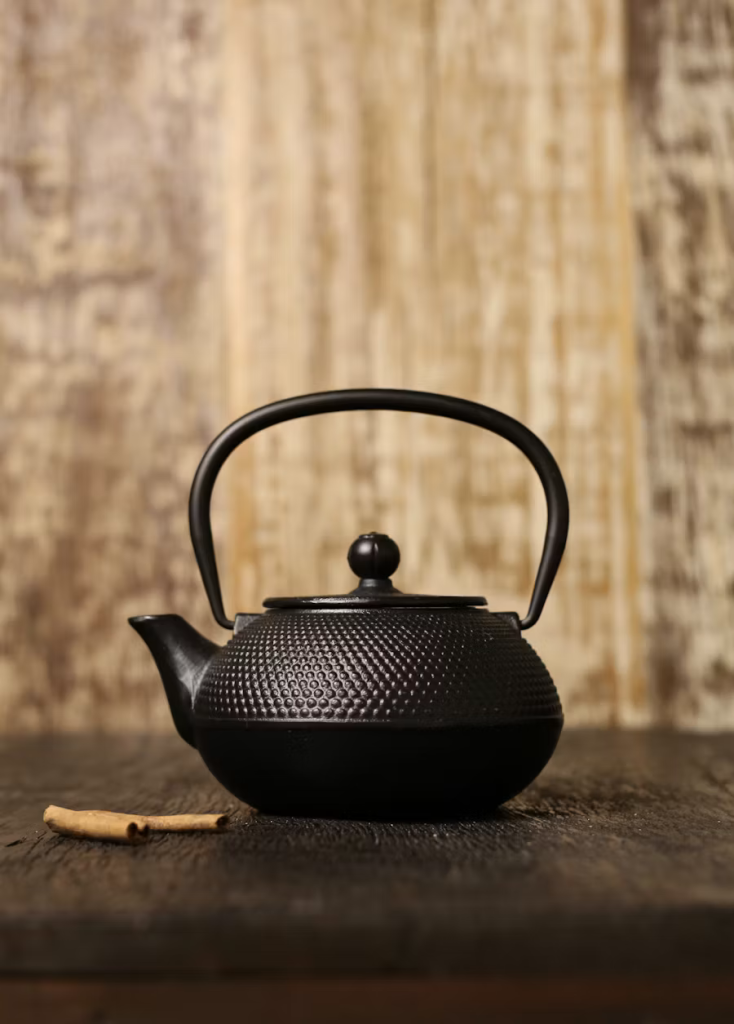
A classic cast iron teapot — timeless beauty meets centuries of craftsmanship. Photo: Unsplash
Quick Navigation
In This Guide
- The History of Cast Iron Teapots
- Our Top 5 Cast Iron Teapot Picks
- Benefits of Cast Iron Teapots
- What to Look for When Buying
- How to Care for Your Cast Iron Teapot
- Frequently Asked Questions
The History of Cast Iron Teapots
The story of the cast iron teapot begins in the Nambu region of northern Japan — present-day Iwate Prefecture — during the 17th century. Ironworkers there had been crafting weapons and household implements since the 12th century, but it was during the Edo period that they began producing specialized kettles for Japan’s rapidly growing tea culture. Some accounts even suggest cast iron vessels were present during the time of Sen no Rikyu, the legendary tea master most responsible for shaping the traditional Japanese “Way of Tea.”
Originally, these iron kettles — true Tetsubin — were used purely to boil water. With the rise of Sencha (loose-leaf green tea), they became indispensable household items for tea brewing across both Japan and China. Over time, the craft evolved, and artisans began adorning teapots with intricate designs: maple leaves, imperial dragons, cherry blossoms, and traditional geometric patterns that transformed each teapot into a small work of art.
Tetsubin vs. Tetsu Kyusu: A true Tetsubin is an unlined iron kettle used to boil water — it should never be used to steep tea directly. Most cast iron teapots sold today in Western markets are actually Tetsu Kyusu: iron teapots with an enamel-coated interior designed for brewing tea. Understanding this distinction will help you choose the right vessel for your needs.
Meanwhile, in China, the YiXing region became famous for clay teapots made from the unique local clay. While YiXing is synonymous with clay teaware, Japan’s Tetsubin established cast iron as the gold standard for kettle craftsmanship — a tradition that continues today in workshops where master artisans spend weeks hand-crafting a single teapot.
Our Top 5 Cast Iron Teapot Picks
The following five teapots represent the best of what the cast iron category has to offer — from elegant traditional designs to sturdy everyday brewers. All are available on Amazon; affiliate links are noted below.
Editor’s Pick
Iwachu Japanese Iron Teapot — Gold and Black Maple

Iwachu is one of Japan’s most respected ironware makers, with over a century of craft heritage. Their Gold and Black Maple Tetsubin showcases that legacy beautifully: a hand-finished exterior etched with an intricate maple leaf motif, an enamel-coated interior to prevent rusting, and a 22-ounce capacity that’s ideal for one to two servings. The thick cast iron walls ensure remarkably even heat distribution, keeping your tea warm long after you pour.
Best Design
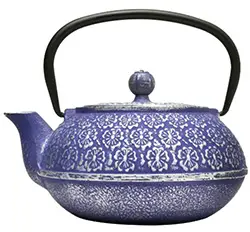
MIYA Cast Iron Teapot — Purple Hanabi
Inspired by the Japanese word for fireworks (Hanabi), this stunning teapot from MIYA features a bold, textured exterior in deep purple. It comes with a stainless steel mesh infuser and an enamel-coated interior, making it as practical as it is striking. MIYA has long been a trusted name in Asian teaware, and this piece reflects their commitment to quality materials and artisanship.View on Amazon *
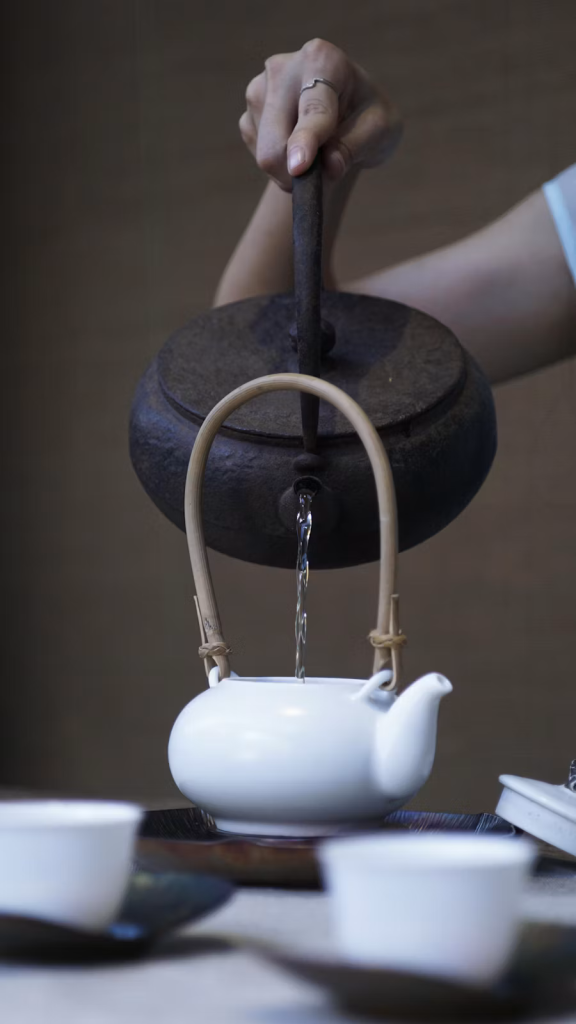
Photo: Unsplash
Best for Groups
M.V. Trading Black Hobnail Tetsubin — 40 oz
For those who regularly brew tea for friends or family, this 40-ounce M.V. Trading teapot is a commanding choice. The classic hobnail (raised bump) pattern gives it the look of an heirloom piece, while the removable stainless steel infuser basket makes cleanup easy. Enamel-lined interior, handmade and hand-finished — this is the teapot you bring out for tea ceremonies and gatherings.

Best Value
Primula PCI7440 Black Cast Iron Teapot — 40 oz
Primula has been producing quality teaware since 1991, and this 40-ounce black cast iron teapot delivers excellent value without sacrificing build quality. The enamel interior is FDA-approved, the textured exterior looks sharp in any kitchen, and it reaches brewing temperature in just 3–5 minutes — as fast as a modern electric kettle, but with the flavor benefits only cast iron delivers.View on Amazon *

Best Aesthetic
Old Dutch “Positivity” Cast Iron Teapot — 26 oz, Red
The Old Dutch Positivity teapot brings a refined Japanese-inspired aesthetic to a mid-size 26-ounce format. Its exterior recalls the look of antique Japanese cast iron, and the black enamel interior resists rust beautifully. Tea stays warm up to an hour — a hallmark of premium cast iron construction. A gorgeous piece for everyday use or as a kitchen display centerpiece.
Quick Comparison: At a Glance
| Teapot | Capacity | Best For | Enamel Interior |
|---|---|---|---|
| Iwachu Maple | 22 oz | Solo or duo brewing | Yes |
| MIYA Hanabi | ~24 oz | Gift / design lovers | Yes |
| M.V. Trading Hobnail | 40 oz | Gatherings & ceremonies | Yes |
| Primula PCI7440 | 40 oz | Everyday value | Yes (FDA-approved) |
| Old Dutch Positivity | 26 oz | Aesthetic / home décor | Yes |
The Benefits of Brewing with a Cast Iron Teapot
Exceptional Heat Retention
Cast iron absorbs and retains heat better than nearly any other teaware material. Unlike ceramic or glass, a cast iron teapot can keep your brewed tea warm for up to an hour — no tea cozy required. The thick walls also distribute heat evenly throughout the vessel, ensuring a steady, consistent infusion that extracts the full flavor and nutrients from your loose-leaf tea.
A Richer, More Flavorful Brew
Seasoned tea drinkers consistently describe tea brewed in cast iron as smoother and more rounded in flavor. Part of this is chemistry: the iron subtly softens water, which in turn pulls flavor compounds from the leaves more gently. A well-seasoned cast iron teapot only gets better over time — the mineral coating that builds up inside the pot contributes to a richer brew with every steeping.
For more on how water quality affects your cup, see our guide to loose leaf tea essentials — a getting started guide on TeaMinded.
Iron Leaching: A Natural Mineral Boost
Unlined cast iron teapots (traditional Tetsubin) can leach small amounts of ferrous oxide (iron) into the water they heat. Research supports this: a study published in the Journal of the American Dietetic Association found that cast iron cookware significantly increases the iron content of foods and liquids prepared in them. This can be a meaningful benefit for people with iron-deficiency concerns.
That said, most modern cast iron teapots sold today — including all five picks above — feature an enamel-coated interior, which prevents iron leaching but also prevents rust and makes the pot easier to maintain. If iron supplementation is your primary goal, seek out an unlined Tetsubin kettle specifically.
Chemical-Free Construction
Many modern teapots and kettles are coated with synthetic non-stick materials that can release perfluorocarbons (PFCs) when heated. Cast iron contains none of these compounds. For tea drinkers who prioritize clean, natural brewing, a cast iron teapot offers peace of mind alongside great flavor.
Built to Last Generations
A well-cared-for cast iron teapot can last not just decades, but generations. Unlike ceramic or glass teapots that chip and shatter, cast iron is virtually unbreakable under normal use. Many families in Japan still use Tetsubin kettles that date back to the 1800s — that’s an extraordinary return on investment, and a meaningful heirloom to pass down.
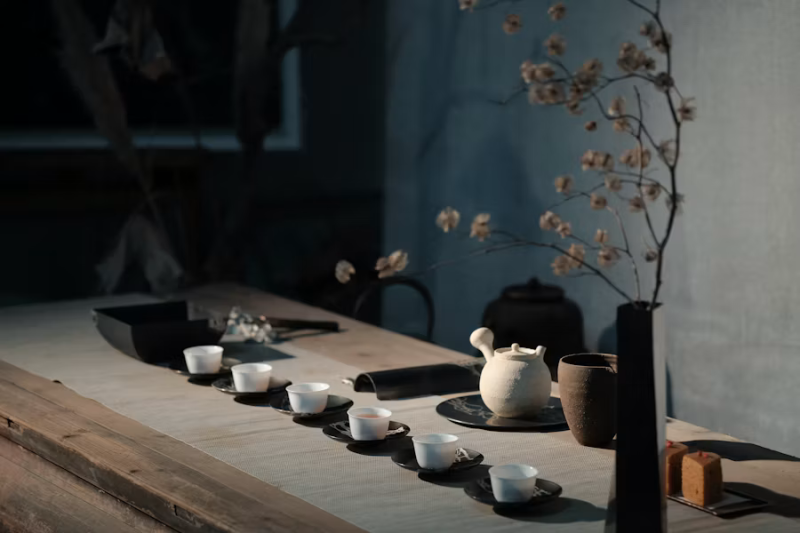
Cast iron teapots are central to the Japanese tea ceremony tradition. Photo: Unsplash
What to Look for When Buying a Cast Iron Teapot
Origin & Craftsmanship
The finest cast iron teapots are still made in Japan, particularly in the Nambu region (Iwate Prefecture). Japanese-made Tetsubin are crafted by skilled artisans using techniques refined over centuries, often taking weeks to produce a single teapot. When shopping, look for teapots that clearly state their country of manufacture. Japanese and quality Chinese-made cast iron teapots will generally outperform generic alternatives in both durability and flavor performance.
Enamel-Lined vs. Unlined
As covered above, enamel-lined teapots (Tetsu Kyusu) are better suited for everyday home use: they resist rust, are easier to clean, and can steep any tea without issue. Unlined Tetsubin are for purists who want the mineral-interaction effect on water flavor — but they require more careful maintenance and cannot be used on the stovetop if they are labeled teapots rather than kettles.
Capacity
Choose your capacity based on how you brew most often:
- 14–22 oz — ideal for solo brewing or small servings
- 24–26 oz — two to three cups; great for couples or small households
- 32–40 oz — best for entertaining, tea parties, or families
Design & Prestige
Japanese cast iron teapots have historically been symbols of status and refinement, and the artistry involved in their making is still evident in modern examples. From minimalist matte black to elaborate dragon motifs and floral patterns, these teapots are genuinely beautiful objects. If you’re brewing for guests or incorporating your teapot into a Japanese green tea or matcha ritual , choose a design that reflects the spirit of the occasion.
Infuser Included?
Most modern cast iron teapots come with a stainless steel mesh infuser basket, which makes loose-leaf brewing easy and cleanup straightforward. Verify this is included before purchasing, as some decorative or traditional models do not include an infuser.
How to Care for Your Cast Iron Teapot
Proper care is what separates a cast iron teapot that lasts a lifetime from one that rusts after a few months. Follow these guidelines and your teapot will reward you with years of excellent tea.
- When new, rinse thoroughly with hot water before first use — do not use soap.
- After each use, wipe inside and out with a clean, dry cloth while still warm.
- Never use soap, detergent, or abrasive scrubbers on your cast iron teapot.
- Never place in a dishwasher or microwave.
- Never use an enamel-lined teapot directly on a stovetop or open flame.
- Never leave water or brewed tea sitting inside the pot for extended periods.
- Do not expose to oil, salt, or harsh cleaning chemicals.
- If the pot is warm, allow it to cool naturally — never shock it with cold water.
- Store with the lid slightly ajar to allow air circulation and prevent moisture buildup.
- Never use metal utensils inside the pot that could scratch the enamel glaze.
Pro Tip: If your unlined Tetsubin begins to show rust spots, don’t panic. Fill it with water, bring to a boil, discard the water, and repeat 2–3 times. The rust will gradually be neutralized. Many tea masters consider this process part of the teapot’s natural seasoning.
Frequently Asked Questions
What is the difference between a Tetsubin and a Tetsu Kyusu?
A Tetsubin is a traditional Japanese cast iron kettle used to boil water — it has no enamel lining and should not be used for steeping tea directly. A Tetsu Kyusu is a cast iron teapot with an enamel-coated interior designed specifically for brewing tea. Most cast iron teapots sold in Western markets are Tetsu Kyusu style.
Can I use a cast iron teapot on the stove?
Only unlined, traditional Tetsubin kettles can be placed on a stovetop. Enamel-lined cast iron teapots (Tetsu Kyusu) should never be heated on a stove, as the enamel coating will be permanently damaged.
Do cast iron teapots really improve the taste of tea?
Yes, many tea enthusiasts report that cast iron teapots produce a smoother, richer brew. The even, steady heat distribution and subtle mineral interactions with the water are believed to enhance flavor. A seasoned cast iron teapot tends to produce even better-tasting tea over time.
Are cast iron teapots good for iron deficiency?
Unlined cast iron teapots can leach small amounts of iron into the water. Research confirms that cast iron cookware increases the iron content of foods and liquids. However, modern enamel-lined teapots do not provide this benefit. If iron supplementation is a goal, look specifically for an unlined Tetsubin kettle.
How long does a cast iron teapot keep tea warm?
A quality cast iron teapot can keep tea warm for 30 minutes to an hour — significantly longer than ceramic or glass teapots — due to cast iron’s superior heat retention properties.
What is the best cast iron teapot brand?
Iwachu is widely considered one of the finest producers of Japanese cast iron teapots, with over 100 years of ironware craftsmanship. For Western-market options, MIYA, Primula, and Old Dutch all offer quality cast iron teapots with good build quality and value.
Final Thoughts
A cast iron teapot is more than a kitchen tool — it’s a connection to a centuries-old tradition of mindful brewing. Whether you’re drawn to the Tetsubin’s rich history, its practical benefits of superior heat retention and chemical-free construction, or simply its striking presence on your tea table, investing in a quality cast iron teapot is one of the best decisions a tea lover can make.
As the old ways are often the best ways: choose the right teapot for your needs, care for it properly, and it will reward you — and perhaps future generations — with tea at its finest.
[* Links marked with an asterisk are affiliate links. TeaMinded may earn a small commission at no additional cost to you. We only recommend products we genuinely stand behind.]

Scott is the founder of TeaMinded. He enjoys tasting and discovering teas from across the globe, with green teas and ceremonial matcha from Japan being among his favorites. He’s grateful to be immersed in the tea community, always learning and sharing along the journey.
Hi,
Nice article, but I’m a little confused. What is the point of getting a cast iron teapot if it has an enamel interior? It “prevents the interior from rusting” but earlier you stated the unique taste of tea brewed in cast iron.
Thanks Brooke for your comment. I’ve updated the article to make that distinction, and I appreciate you pointing it out. Yes, many modern cast iron teapots (like those reviewed here) are coated inside with an enamel finish, which prevents not only rust but also the infusion of iron. However, the many other benefits of cast iron teapots (heat absorption, quality, durability, capacity) are worth consideration. There is also different types of enamel — infused enamel, which is different than the high-gloss enamel — which is another consideration. With that said, as mentioned, some may prefer unfinished cast iron teapots, which release health-boosting ferrous oxide (iron) into the water. When searching for cast iron teapots on Amazon, for example, many of the customer reviews or questions/answers will have details about the finish (and I’m also happy to answer any questions you may have about any specific cast iron teapots). Hope that helps clarify!