
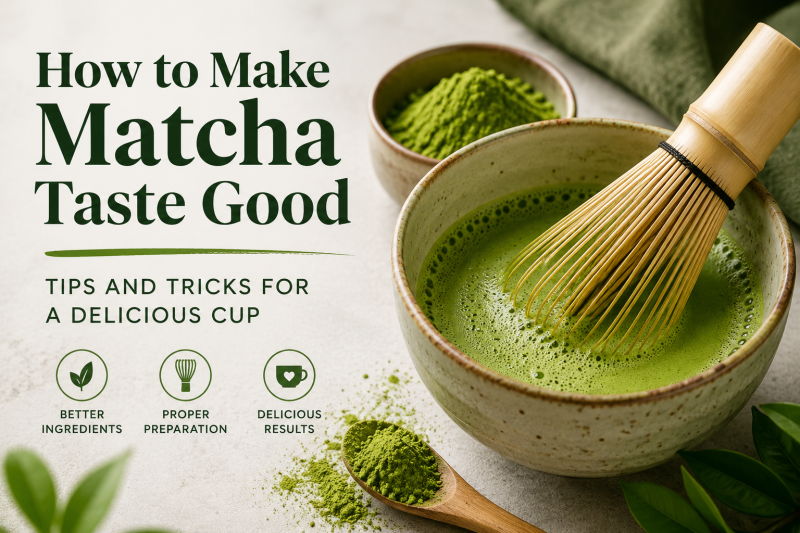
If you’ve tried matcha for the first time and wondered why it tastes grassy, bitter, or overly earthy, you’re not alone. Matcha is very different from traditional green tea bags, and learning how to prepare it properly can completely change the experience.
The good news is that matcha can taste smooth, creamy, naturally sweet, and deeply satisfying when made correctly. From choosing better matcha powder to using the right water temperature, small adjustments make a major difference.
In this guide, you’ll learn how to make matcha taste better, avoid common mistakes, and create a delicious cup of matcha at home.
Quick Navigation
What Is Matcha?
Matcha is a finely ground powdered green tea made from specially shade-grown tea leaves. Unlike regular tea, where leaves are steeped and removed, matcha powder is whisked directly into water so you consume the entire leaf.
This gives matcha:
- A richer flavor
- Higher antioxidant content
- More caffeine than regular green tea
- A smooth, sustained energy boost
High-quality matcha has a vibrant green color and a naturally creamy, slightly sweet flavor. Lower-quality matcha tends to taste dull, bitter, or overly grassy.
If you’re new to Japanese tea culture, you may also enjoy our guide to What Makes Japanese Tea Different? which explores why Japanese teas have such distinct flavors and preparation methods.
Why Matcha Sometimes Tastes Bitter
Many people think they simply “don’t like matcha,” when the real issue is poor preparation or low-quality tea.
Here are the most common reasons matcha tastes unpleasant:
1. Water Is Too Hot
Boiling water scorches matcha and creates excessive bitterness.
Ideal matcha water temperature:
- 160°F–175°F (70°C–80°C)
2. Using Low-Quality Matcha
Cheap culinary-grade matcha is often harsher and more bitter when consumed as tea.
For drinking straight matcha, choose:
- Ceremonial-grade matcha
- Premium Japanese matcha
- Bright green powder with a fresh aroma
3. Too Much Matcha Powder
Using too much powder can overwhelm the flavor and create an overly intense cup.
A good beginner ratio:
- 1 teaspoon matcha
- 2–3 ounces water
How to Make Matcha Taste Better
Use Better Matcha
The single biggest improvement comes from buying higher-quality matcha.
Look for:
- Vibrant green color
- Smooth texture
- Fresh grassy aroma
- Matcha sourced from Japan
Avoid:
- Extremely cheap matcha
- Matcha stored in clear packaging
- Brownish or yellow-green powder
The Healthline guide to matcha benefits</a> also explains how quality affects both flavor and nutritional value.
Sift Your Matcha
Clumps can create a gritty texture and uneven flavor.
Before whisking:
- Place matcha in a small sifter
- Push powder through gently with a spoon
- Add to your bowl afterward
This simple step creates smoother, creamier matcha.
Whisk Properly
Traditional preparation uses a bamboo whisk called a chasen.
To whisk matcha:
- Add matcha powder to bowl
- Pour in hot water
- Whisk rapidly in a “W” motion
- Continue until frothy
Proper whisking softens bitterness and improves mouthfeel dramatically.
For beginners interested in loose leaf and Japanese tea preparation, our article on A Beginner’s Guide to Loose Leaf Tea is a helpful next step.
Add Milk for a Creamier Flavor
One of the easiest ways to make matcha taste better is to turn it into a matcha latte.
Popular milk options include:
- Oat milk
- Almond milk
- Coconut milk
- Whole milk
Oat milk is especially popular because its natural sweetness balances matcha’s earthy flavor.
Sweeten Matcha Naturally
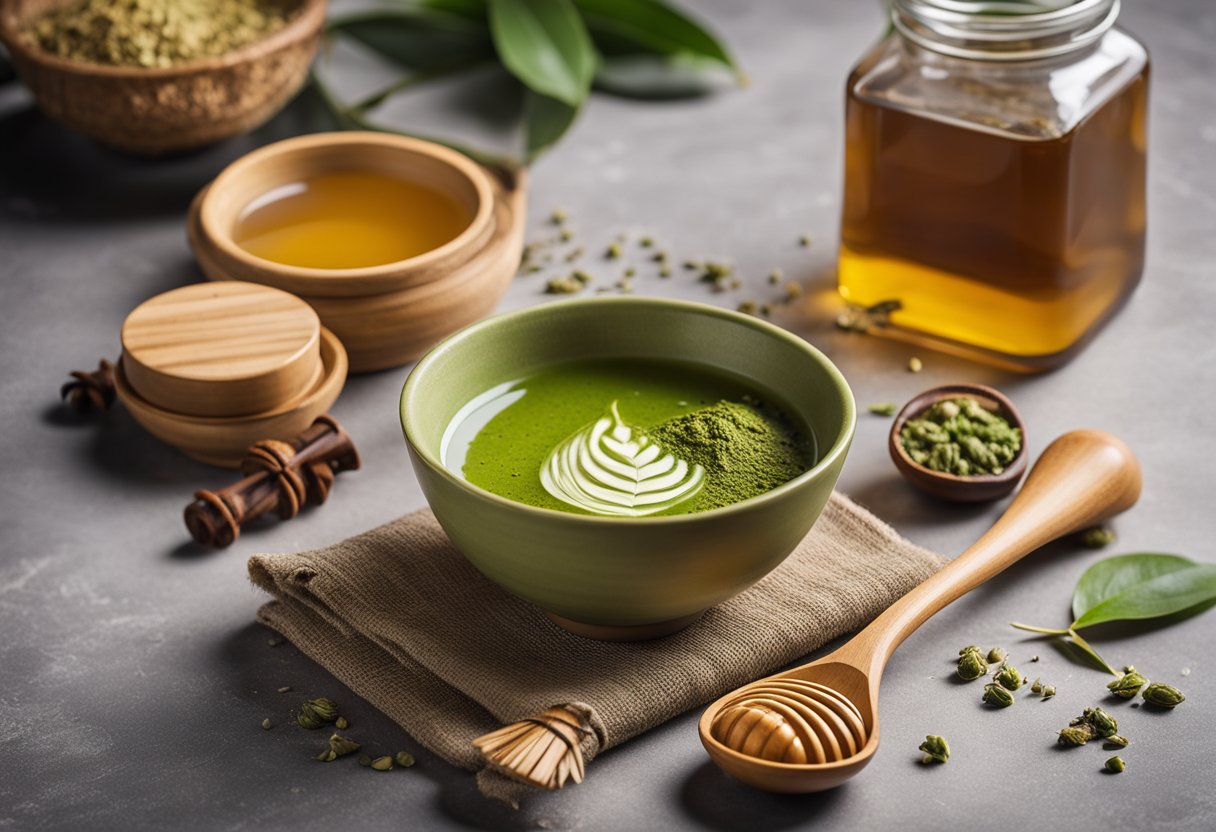
If matcha tastes too strong initially, adding a natural sweetener can help.
Popular choices:
- Honey
- Maple syrup
- Agave
- Vanilla syrup
Start with small amounts so the flavor of the tea still comes through.
Try Flavor Additions
Matcha pairs well with subtle flavors that complement its grassy and umami notes.
Popular additions include:
- Vanilla
- Cinnamon
- Ginger
- Coconut
- Mint
- Lemon
Experimenting with small flavor additions can help you discover the style of matcha you enjoy most.
Make Matcha Part of a Ritual
Many people eventually discover that matcha is about more than flavor alone. The preparation process itself becomes calming and intentional.
Taking a few quiet minutes to:
- heat water,
- whisk tea,
- and slow down
can transform matcha into a daily mindfulness ritual rather than just another caffeinated drink.
How to Store Matcha Properly
Freshness matters enormously with matcha.
To keep matcha tasting its best:
- Store in an airtight container
- Keep away from heat and sunlight
- Refrigerate after opening
- Use within 2–4 weeks for best flavor
Oxidized matcha loses sweetness and develops a dull, bitter taste.
Final Thoughts
Learning how to make matcha taste good usually comes down to three things:
- Using better-quality matcha
- Preparing it correctly
- Experimenting until you find your preferred style
With the right preparation, matcha becomes smooth, vibrant, creamy, and deeply enjoyable. Whether you prefer traditional hot matcha or modern matcha lattes, the experience can quickly become one of the most rewarding tea rituals in your daily routine.

Scott is the founder of TeaMinded. He enjoys tasting and discovering teas from across the globe, with green teas and ceremonial matcha from Japan being among his favorites. He’s grateful to be immersed in the tea community, always learning and sharing along the journey.