
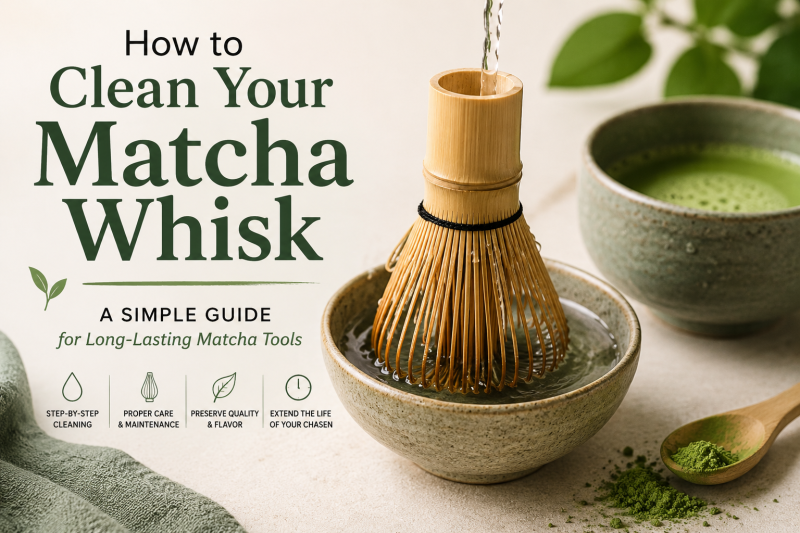
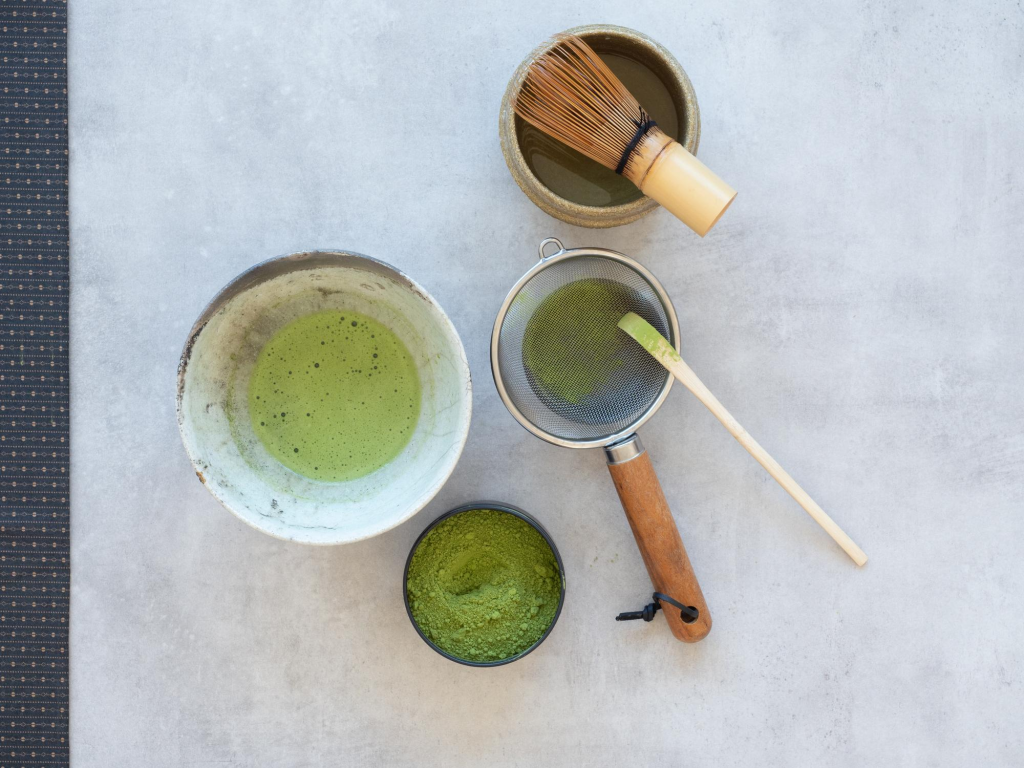
A matcha whisk, known in Japanese as a chasen, is one of the most important tools for preparing authentic matcha tea. Its delicate bamboo tines create the smooth, frothy texture that makes matcha unique.
Because a chasen is handcrafted from natural bamboo, proper cleaning and maintenance are essential. Cleaning your matcha whisk correctly not only extends its lifespan but also helps preserve the flavor and quality of your matcha.
In this guide, you’ll learn exactly how to clean a matcha whisk, how often to clean it, common mistakes to avoid, and the best practices for storing it between uses.
Quick Navigation
Why Cleaning Your Matcha Whisk Matters
After whisking matcha, tiny particles of tea powder can remain trapped between the bamboo tines. If left behind, this residue can:
- Affect the flavor of future bowls of matcha
- Cause staining and buildup
- Encourage mold growth in humid environments
- Weaken or deform the bamboo tines over time
A properly cleaned whisk will perform better, last longer, and help produce a smoother bowl of matcha every time.
If you’re new to matcha preparation, you may also enjoy our guide on How to Make Matcha Taste Good, which covers techniques for improving flavor, texture, and overall matcha quality.
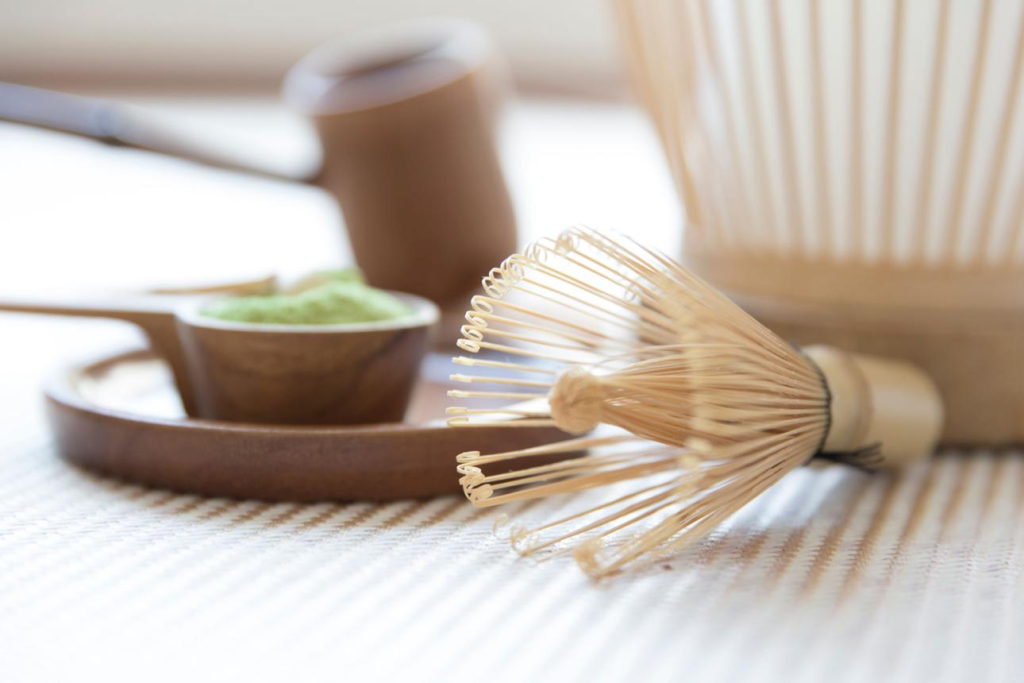
What Is a Matcha Whisk (Chasen)?
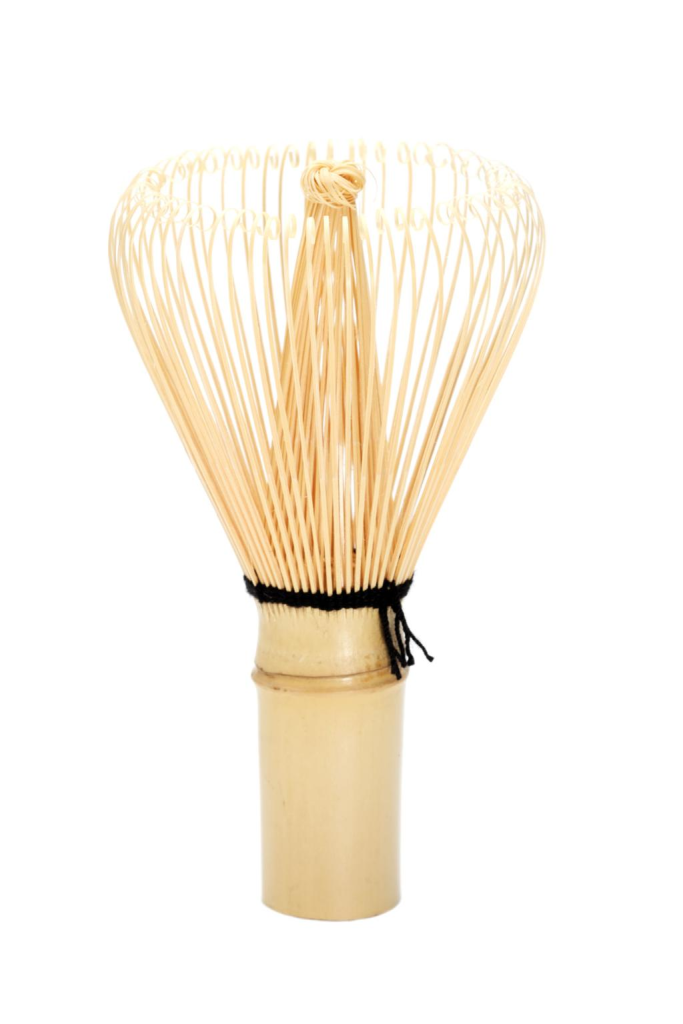
A matcha whisk, or chasen, is traditionally carved from a single piece of bamboo. Depending on the style, it may contain anywhere from 60 to 120 finely crafted tines.
These tines are designed to:
- Break up clumps of matcha powder
- Mix matcha evenly with water
- Create a smooth layer of foam
- Enhance the overall tea-drinking experience
Because the tines are delicate, a matcha whisk should always be cleaned gently.
How to Clean a Matcha Whisk: Step-by-Step
Step 1: Rinse Immediately After Use
As soon as you finish preparing matcha, rinse the whisk under warm running water.
This removes most of the matcha residue before it has a chance to dry and harden.
Avoid hot water, which can weaken the bamboo and cause the tines to warp.
Step 2: Remove Remaining Matcha
If any matcha powder remains between the tines, gently swish the whisk in a bowl of clean warm water.
For stubborn residue, use your fingers or a very soft brush to carefully remove particles.
Do not force the tines apart.
Step 3: Rinse Again
Give the whisk a final rinse under warm water until all visible matcha residue is gone.
A clean whisk should have no powder trapped between the bamboo tines.
Step 4: Shake Off Excess Water
Gently shake the whisk to remove excess water.
Avoid squeezing the tines or pressing them against a towel.
Step 5: Air Dry Properly
Place the whisk upright on a chasen holder (kusenaoshi) if you have one.
A whisk holder helps:
- Maintain the whisk’s shape
- Prevent tines from curling inward
- Extend the life of the bamboo
Allow the whisk to air dry completely before storing.
Should You Use Soap to Clean a Matcha Whisk?
In most cases, no.
Because matcha is simply powdered green tea, warm water is usually sufficient for cleaning.
Soap can:
- Leave behind unwanted residue
- Affect the taste of future bowls of matcha
- Dry out natural bamboo
Only use a tiny amount of mild soap if the whisk has accumulated unusual buildup, and rinse thoroughly afterward.
How Often Should You Clean Your Matcha Whisk?
You should clean your matcha whisk after every use.
Even if you only prepare one bowl of matcha per day, rinsing the whisk immediately prevents residue buildup and keeps the bamboo in good condition.
Common Matcha Whisk Cleaning Mistakes
Using Hot Water
Excessive heat can damage bamboo and cause the tines to become brittle.
Leaving Matcha to Dry on the Whisk
Dried matcha is much harder to remove and may permanently stain the bamboo.
Storing a Wet Whisk
Moisture can encourage mold growth and shorten the whisk’s lifespan.
Using the Dishwasher
Dishwashers expose bamboo to excessive heat and water pressure, which can quickly ruin a chasen.
Scrubbing Aggressively
The bamboo tines are delicate and can break if handled roughly.
How to Store a Matcha Whisk
For best results:
- Store in a cool, dry place
- Keep away from direct sunlight
- Use a whisk holder whenever possible
- Ensure the whisk is fully dry before storage
Proper storage helps preserve both the shape and function of your chasen.
If you’re investing in quality matcha tools, you may also be interested in learning Why Matcha Tea Is So Expensive, which explores the craftsmanship, cultivation, and processing that contribute to premium matcha prices.
Frequently Asked Questions
How long does a matcha whisk last?
With regular use and proper care, a bamboo matcha whisk typically lasts between 6 months and 2 years, depending on frequency of use and storage conditions.
Can you soak a matcha whisk?
Yes. Before preparing matcha, many tea drinkers soak the whisk in warm water for 1–2 minutes to soften the tines and reduce the risk of breakage.
Can mold grow on a matcha whisk?
Yes. If stored while damp or kept in a humid environment, mold can develop on the bamboo. Always allow the whisk to dry completely.
Do I need a whisk holder?
While not required, a whisk holder (kusenaoshi) is highly recommended because it helps maintain the whisk’s shape and prolong its lifespan.
Final Thoughts
Learning how to clean a matcha whisk properly is a simple but important part of matcha preparation. By rinsing your chasen immediately after use, allowing it to dry thoroughly, and storing it correctly, you can extend its life and enjoy consistently smooth, frothy matcha for months or even years.
Like many aspects of tea culture, caring for your tools is part of the ritual. A well-maintained matcha whisk not only performs better—it helps preserve the mindfulness and craftsmanship that make matcha such a rewarding experience.
For additional information about traditional Japanese tea tools and tea ceremony practices, the Japanese Tea Instructor Association offers educational resources on matcha preparation and tea culture.

Scott is the founder of TeaMinded. He enjoys tasting and discovering teas from across the globe, with green teas and ceremonial matcha from Japan being among his favorites. He’s grateful to be immersed in the tea community, always learning and sharing along the journey.