
Whether you’re brand new to loose leaf tea or just looking to level up your brew, the steeping step makes all the difference — and whether or not you cover your cup matters more than you might think.

Quick Navigation
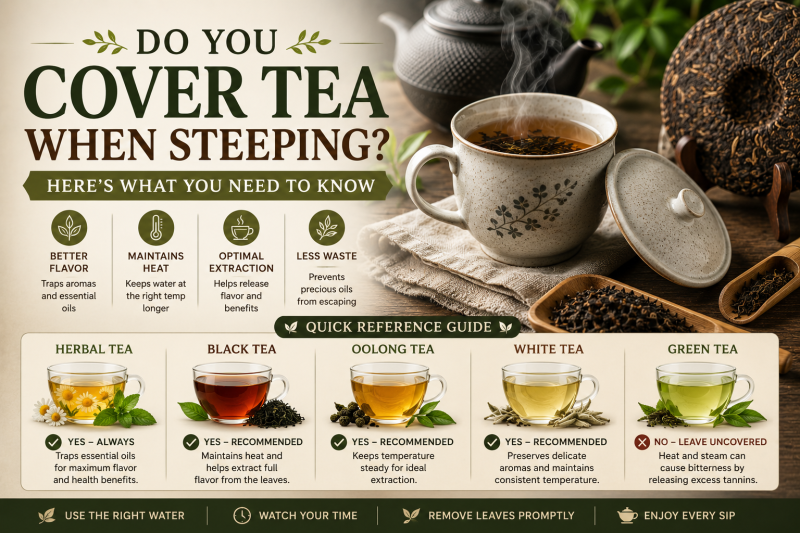
The Short Answer: It Depends on the Tea
If you’ve ever asked fellow tea drinkers whether you should cover your tea while it steeps, you’ve probably gotten a variety of answers. That’s not because anyone is wrong — it’s because different teas have different requirements, and personal preference plays a role too.
As a general rule:
- Herbal teas: Always cover. The cover traps essential oils that give herbal teas their flavor and health benefits.
- Black, oolong, and white teas: Covering is beneficial for maintaining heat and speeding up steeping.
- Green tea: Skip the cover. Green tea is heat-sensitive, and trapping steam causes bitterness.
Understanding why comes down to knowing a bit about what’s actually happening inside your cup.
Why Covering Your Tea Matters for Herbal Teas
Herbal teas are often enjoyed for their therapeutic properties — think chamomile for sleep, peppermint for digestion, or ginger for immunity. What makes these teas effective is their volatile essential oils: natural compounds that give each herb its distinctive scent, flavor, and medicinal qualities.
The word “volatile” is key here. These oils don’t just sit in your cup — they evaporate with steam. When you steep herbal tea without a cover, those healing oils escape right along with the rising steam. What you’re left with is essentially hot, herb-flavored water.
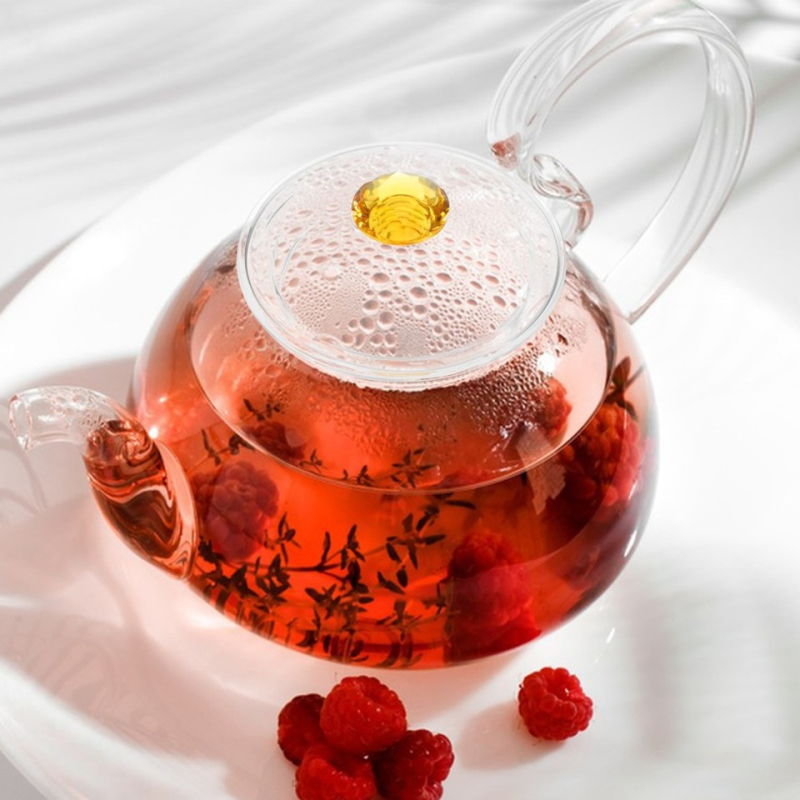
Covering your herbal tea traps the steam and keeps those essential oils where they belong — in your cup.
This is especially important if you use herbal tea as part of a wellness routine. Even a small amount of oil loss adds up over time and reduces the potency of your brew.
If you’re exploring herbal and specialty tea options, check out TeaMinded’s guide to tea varieties for a breakdown of what different herbs offer.
Green Tea: The Exception to the Rule
Green tea is one case where covering your cup can actually work against you.
Green tea leaves are more sensitive to heat than other tea types. When exposed to water that’s too hot — or steeped for too long — green tea releases excess tannins, the naturally occurring compounds responsible for that sharp, astringent bitterness.
Covering your green tea traps steam, keeps the temperature high, and accelerates tannin extraction. The result? A bitter, unpleasant cup.
Best practices for steeping green tea:
- Use water between 160–180°F (70–82°C) — not boiling
- Steep for 1–3 minutes maximum
- Leave the cup uncovered
- Remove leaves promptly when steeping is done
If you want to dive deeper into getting the perfect cup, TeaMinded’s brewing guides cover water temperature and timing for all major tea types.
Black, Oolong, and White Tea: Cover Recommended
Black, oolong, and white teas all come from the Camellia sinensis plant — making them what purists call “true teas.” Like green tea, they do contain tannins and caffeine and can be sensitive to water temperature. But unlike green tea, covering them while they steep is generally a good idea.
Here’s why:
- Maintains heat: Covering your cup or teapot keeps the water at the right temperature throughout the steep.
- Faster steeping: Trapped steam creates a more consistent steeping environment.
- Better flavor extraction: You get a fuller, more complete flavor from the leaves.
One note: if you’re someone who leaves your tea bag or loose leaves in while you drink, you can skip the cover — but be aware that continuous steeping will release more tannins and caffeine, making your tea stronger and more bitter over time. For the best flavor, steep with a cover for the recommended time, then remove the leaves before drinking.
According to research published by the Tea Association of the USA, proper brewing temperature and steep time are among the most important factors in tea quality and flavor consistency.
What Can You Use to Cover Your Tea?
Most mugs don’t come with lids — but that doesn’t mean you’re out of luck. Here are some practical options:
1. A small ceramic plate Set it directly on top of your mug. Avoid glass plates, as rapid temperature changes can cause them to crack.
2. A spare teapot or kettle lid If you have a lid that’s wider than your mug opening, it works perfectly as a cover.
3. A purpose-made tea mug cover These are widely available and come in many styles. Some include a built-in tea infuser, making them a smart two-in-one option.
4. A tea mug with a built-in lid Many modern mugs are designed specifically for steeping, with removable lids and integrated infusers. These are essentially compact personal teapots.
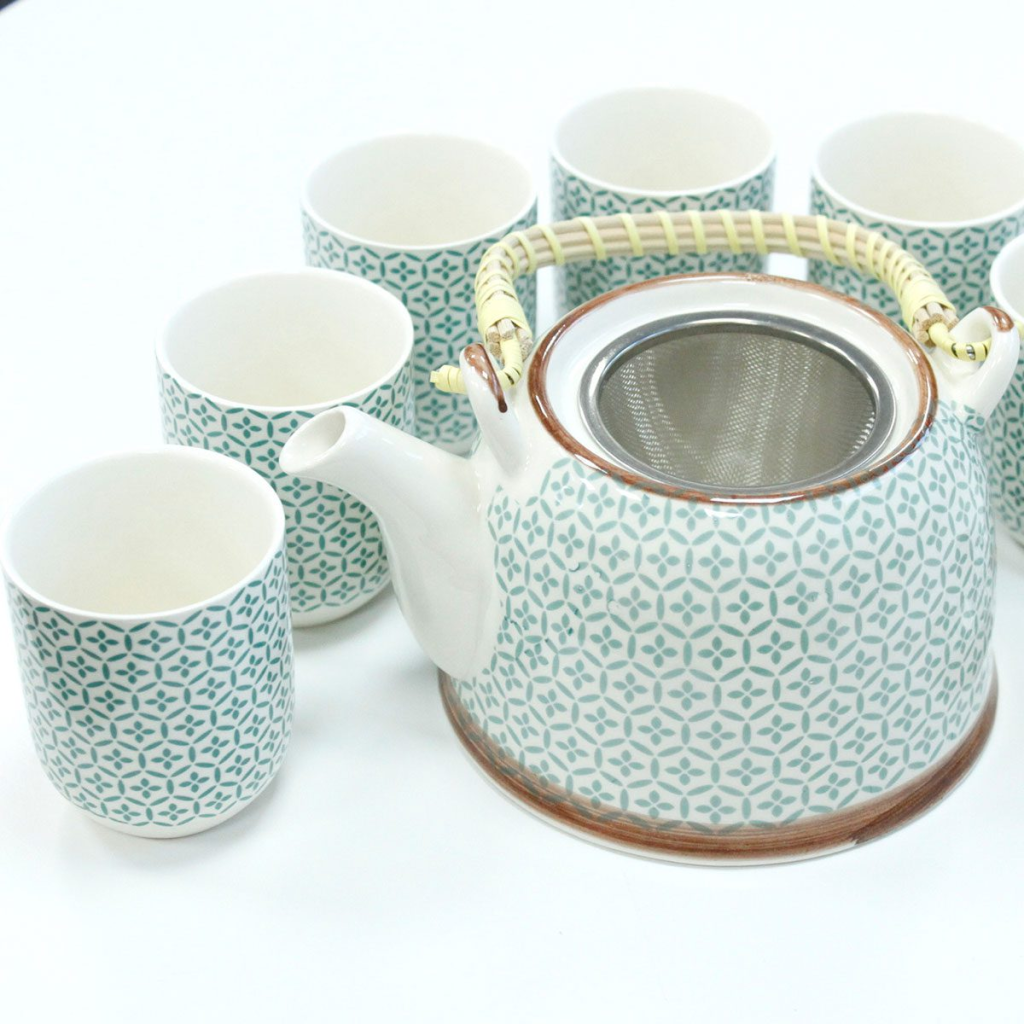
Of course, the simplest solution is a traditional teapot, which comes with a lid that seals perfectly and retains heat beautifully throughout the steeping process.
Quick Reference: Should You Cover Your Tea While Steeping?
| Tea Type | Cover While Steeping? | Why |
|---|---|---|
| Herbal tea | ✅ Yes — always | Traps volatile essential oils; critical for flavor and health benefits |
| Black tea | ✅ Yes — recommended | Maintains heat; improves flavor extraction |
| Oolong tea | ✅ Yes — recommended | Maintains heat; supports longer steep times |
| White tea | ✅ Yes — recommended | Keeps temperature consistent |
| Green tea | ❌ No | Heat-sensitive; covering causes bitterness from excess tannins |
Frequently Asked Questions
Does covering tea while steeping make it stronger? Not necessarily stronger in terms of caffeine, but it does produce a more consistent and flavorful brew by maintaining heat and preventing volatile compounds from escaping.
What happens if you don’t cover herbal tea while steeping? The essential oils in herbal tea evaporate with the steam, reducing both the flavor and the therapeutic potency of your cup.
Can I use a plate to cover my tea mug? Yes — a small ceramic plate works well. Avoid glass plates, which can crack from the sudden heat and steam.
Why does green tea get bitter when covered? Covering traps steam and keeps temperatures high, which accelerates the release of tannins — the compounds responsible for bitterness in green tea.
How long should I steep tea with the cover on? It depends on the tea type: black tea typically steeps 3–5 minutes, oolong 3–5 minutes, white tea 2–5 minutes, and herbal teas 5–7 minutes. Always check the specific guidelines for your tea.
We’re dedicated to helping tea lovers of all levels brew better, one cup at a time.
Scott is the founder of TeaMinded. He enjoys tasting and discovering teas from across the globe, with green teas and ceremonial matcha from Japan being among his favorites. He’s grateful to be immersed in the tea community, always learning and sharing along the journey.